🎉  Pigment raises $250M Series E funding round to accelerate its move toward autonomous planning. Learn more →

Use Case

SAles & Operations planning with pigment

Encourage collaboration across finance, sales, marketing and supply chain to make S&OP a smoother process.
What’s holding you back
Data access issues and tools that don’t facilitate collaboration cause a variety of issues.
Operational plans are unaligned with business strategy
Resource allocation is driven by incomplete/uncertain demand signals
Missed market opportunities and customer dissatisfaction
Siloed and disconnected tools lead to reactive decision making
S&OP overview dashboard in Pigment
pie chart

Data-driven revenue growth

Identify trends in data to understand what’s driving success, where to make efficiencies and how to drive revenue and protect margins.

Align operational and strategic plans

Cross-functional alignment unlocks greater forecasting precision, sharper visibility, and smarter use of resources.

Smarter, informed decision making

A real time view of performance enables you to identify bottlenecks, understand tradeoffs and make smarter, more strategic decisions.

KEY FEATURES FOR SALES & OPERATIONS PLANNING

scenarios

Plan for every eventuality

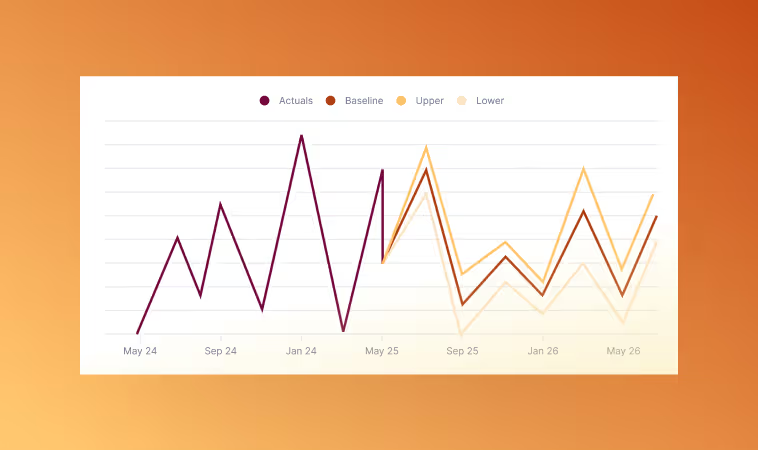
Scenario modeling helps balance supply against constraints, while AI assistants help you plan faster and with more confidence.

logic

Fast, flexible decision making

Dynamic modeling allows you to quickly adjust plans based on performance and understand the impact of every decision, so you can always satisfy demand.

One connected view across your data

Brings all your data together, to spot risks and opportunities and ensure the alignment of supply chain actions with financial goals.

Widget for a financial overview on three quarters with a focus on COGS

Frequently Asked Questions

What is S&OP, and how is it different from IBP?

Sales and operations planning (S&OP) is the recurring process that aligns demand, supply and inventory plans across sales, operations and finance. Integrated business planning (IBP) extends it by connecting those operational plans to financial and strategic objectives, so teams can judge revenue, margin and cash impact together. Pigment supports both on one platform, with the financial view built in.

How do AI agents support the S&OP cycle in Pigment?

The Analyst Agent scans your planning data for risks and prepares recurring reports, so the pre-meeting analysis is ready before the review. The Modeler Agent can build board views for S&OP meetings, and Frames creates executive views on the live plan. Every agent action is visible and traceable, and your access rights still apply.

What does an S&OP cycle look like in Pigment?

A typical cycle has four steps: collect demand inputs from sales and marketing, review them against supply and capacity, compare scenarios and their financial impact, then agree one plan in the executive review. Pigment supports each step on one platform with automated validation, scenario sandboxes and interactive boards. Adapt the cadence and steps to your own process.

How does Pigment ensure flexibility in S&OP for rapid market changes?

Pigment's scenario planning and real-time data updates let you respond quickly when markets change. Planners compare options in isolated scenarios without touching the baseline plan, and the Modeler Agent helps extend the model when your structure changes. That keeps teams aligned and decisions quick.

How does Pigment connect the S&OP plan to the financial plan?

Pigment runs supply chain and finance planning on the same platform, so a change to volumes, lead times or capacity shows up in the P&L view without re-keying data. Teams compare scenarios by their operational and financial impact, which helps finance and supply chain agree on one plan.

Can my S&OP team try Pigment for free?

Yes. Start the 14-day free trial and describe the S&OP process you want to model. Once the AI agent has built your first model and board, you can invite colleagues from sales, supply chain and finance to review it with you. Use your own data or an industry dataset. No credit card is required, and usage limits apply.